December 10, 2015, 4:43 pm | by Ray Nardo
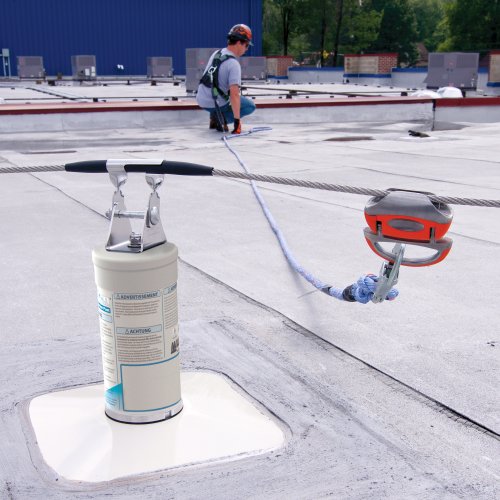
Much Forethought Goes Into Proper Fall Protection Installation
 From a fall protection installation standpoint, the primary goal of the system being installed is to protect workers. The objectives are to get the right system, at the right price, installed on time and on budget, with minimal disruption to the normal activities of the business. Read more.
May 17, 2015, 1:59 pm | by Ray Nardo
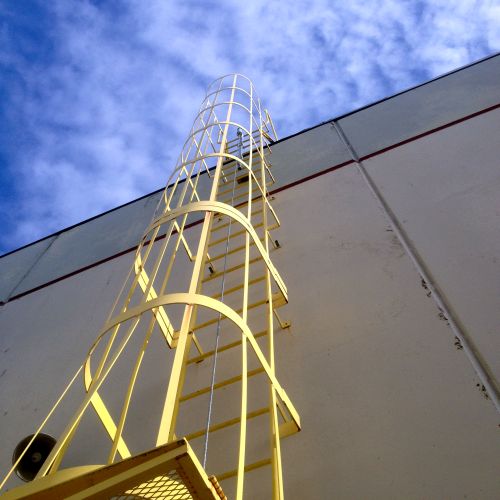
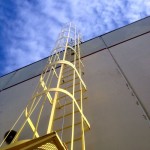 Vertical lifelines are an essential protection system if you have a fixed outdoor or indoor ladder that is higher than 24 feet. Every year, dozens of workers injure themselves in falls from fixed ladders, usually after slipping on rungs covered with mud, grease, rainwater, snow, or ice.
Vertical lifelines should be mounted onto fixed ladders to provide fall protection for following types of structures: Read more.
January 12, 2015, 12:33 pm | by Ray Nardo
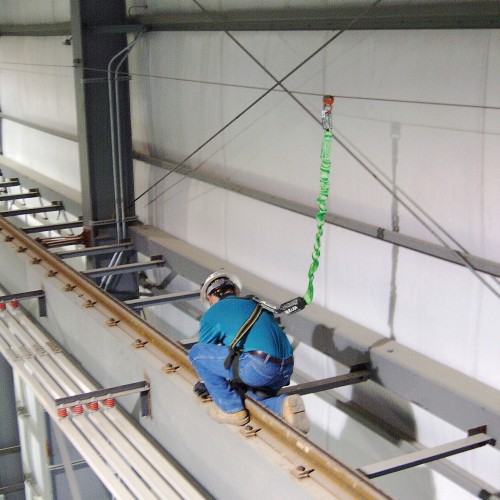
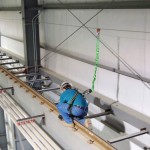 From a facilities standpoint, you can apply all types of fall protection systems to the steel industry. Workers in steel mills are often required to use fall protection equipment, for personal safety and for OSHA regulation compliance.
The types of fall protection solutions installed in steel mills are usually based on several factors, including the layout and conditions of the environment, the number of personnel accessing a certain area, the frequency of activity in that area, and the budget concerns of the steel mill’s owners. Read more.
January 5, 2015, 3:04 pm | by Ray Nardo
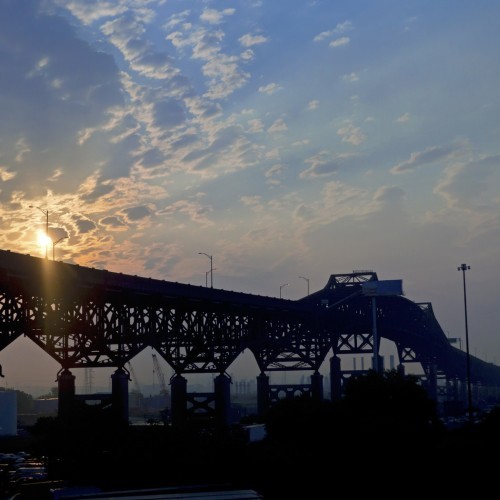
Major Transportation Bridge/Highway Netting
 FallProof was excited to have been given the opportunity to provide debris netting for the iconic Pulaski Skyway, which is currently undergoing a $2 Billion+ rehabilitation and renovation project. One of the primary traffic arteries into New York City, this project has many moving parts. Working with the New Jersey Department of Transportation and the general contractor awarded the project, we provided 115,000 square feet of our RocBloc netting product. Read more.
December 1, 2014, 9:54 am | by Ray Nardo
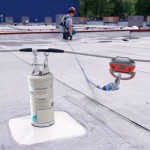 In our previous blog article, we talked about fall protection equipment for rooftop activities. We discussed how to install and use portable guardrails around unprotected edges and hatches, and how to use skylight railings and screens to protect workers from falling through skylights. Read more.
November 14, 2014, 10:56 am | by Ray Nardo
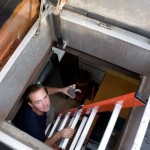 In our last blog post, we talked about how to identify fall hazards on a rooftop. Today, we will look at the fall protection equipment that is available to handle some of these hazards. Not every hazard can be avoided using safety equipment. But there are several types of fall protection systems that you can use to provide a solution to hazards such as: Read more.
October 13, 2014, 9:36 am | by Ray Nardo
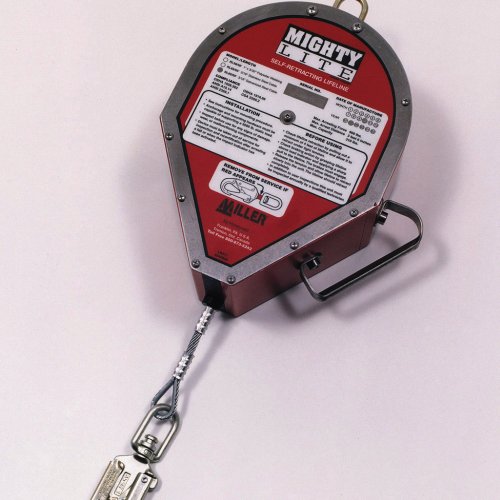
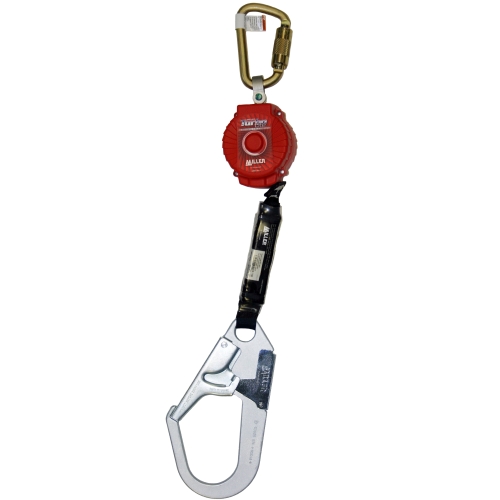
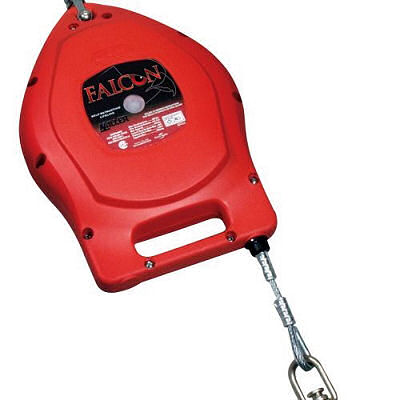
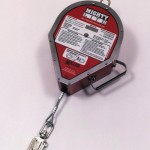 Inspections are essential in making sure your fall protection systems perform correctly. To ensure that your personal protective equipment is in good working order, and will protect you from injury in the event of a fall, your self-retracting lifelines (SRLs) should be inspected daily before each use. Remember, if you are the one using the PPE, it is your life on the line, and that means you are the one responsible for checking it every day before trusting it with your life. Read more.
September 23, 2014, 11:38 am | by Ray Nardo
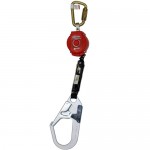 In a recent blog post we talked about the limitations of the six-foot shock-absorbing lanyard. The chief weakness of this type of solution is that lanyards require a very high fall clearance.
A user wearing a 6-foot lanyard must travel the full length of it before it begins to arrest their descent, plus 3-1/2 feet of deceleration, for a minimum total fall distance of 9 1/2 feet (the total distance depends on the relationship between the anchor point and the user’s D Ring). Add 6 feet for the user’s height, plus 3 feet of space underneath the user per OSHA regulations, and you need a clearance of 18 feet from the anchor point (6 + 3-1/2 + 6 + 3 = 18 feet). Read more.
September 12, 2014, 12:28 pm | by Ray Nardo
 You might think that all Self-Retracting Lifelines (SRLs) connectors are pretty much the same. As long as they do the job of protecting your workers in the event of a fall, you might believe that one SRL performs just as well as another.
In fact, there are several different types of SRLs. It’s a good idea to understand the differences between the models. Depending on your environment, certain types of may last longer than others, and do a better job of protecting your personnel from fall hazards and other dangers. Read more.
August 28, 2014, 10:51 am | by Ray Nardo
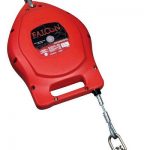 When discussing the effectiveness of certain types of fall protection equipment, there is a debate going on these days over which type of connector is best: self-retracting lifelines (SRLs) or 6-foot shock absorbing lanyards (the connector is the device that links the body harness to an anchorage, such as an overhead fixed track or single-point anchor points). It is our opinion that SRLs are the best type of connector. Yes, lanyards are less expensive, but SRLs provide more effective fall protection, and are worth the extra money you spend. Read more.
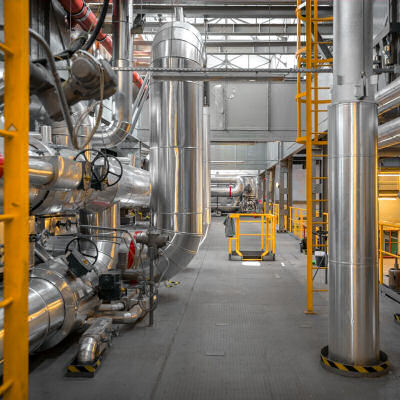 From a fall protection installation standpoint, the primary goal of the system being installed is to protect workers. The objectives are to get the right system, at the right price, installed on time and on budget, with minimal disruption to the normal activities of the business. Read more.