March 24, 2015, 10:17 am | by Ray Nardo
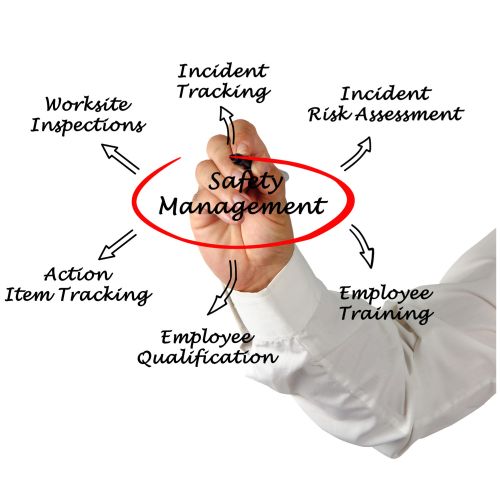
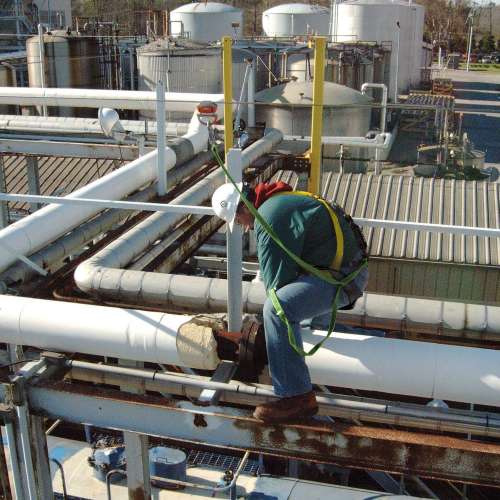
 A few weeks ago, we posted an article about how to develop a safety culture in your workplace. One of the suggestions we gave was to form a committee to address worker concerns about fall protection and other issues related to the health and well-being of employees. Today, we take a closer look at safety committees.
A safety committee allows executives, management, and workers to collaborate on the greater goal of creating a facility free from hazards that threaten the well-being of employees. This group should be responsible for defining procedures for your company, promoting the safety culture, and ensuring your compliance with OSHA and other federal and state regulations. Read more.
March 4, 2015, 10:30 am | by Ray Nardo
 If you live on the East Coast, we don’t need to tell you that the past couple of weeks have been unbelievably cold! The Atlantic seaboard has seen record-low temperatures and sub-zero wind chills almost daily, with heavy infusions of snow and ice. As Johnny Carson used to say, “It’s so cold out that snowmen are heading south for the winter, and polar bears are putting on bearskin coats!” Read more.
February 2, 2015, 2:17 pm | by Ray Nardo
 On-the-job safety is a concept that should, of course, extend beyond the use of fall protection systems and fall safety equipment. You should try to develop a culture of safety in your company, and promote that culture in every environment within the facility. Read more.
November 4, 2014, 10:38 am | by Ray Nardo
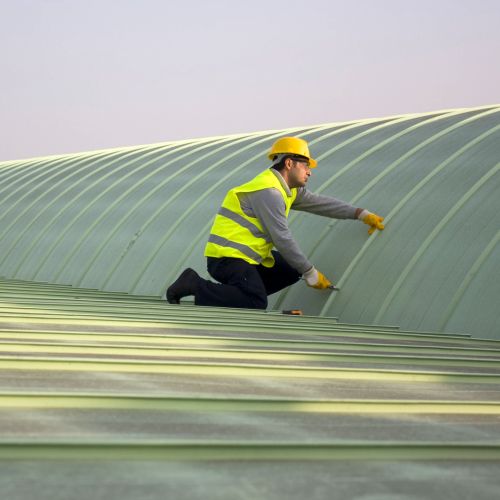
 Rooftops are among the most common elevated areas where general industry work is performed. But they are also one of the most common areas where injuries or deaths occur as a result of a fall.
The types of work performed on rooftops is wide-ranging. It isn’t just limited to roofing contractors. School janitors may need to venture up to retrieve a lost soccer ball. Office maintenance or physical plant personnel may need to go up to clean out the gutters, or to remove snow in winter. Read more.
August 28, 2014, 10:51 am | by Ray Nardo
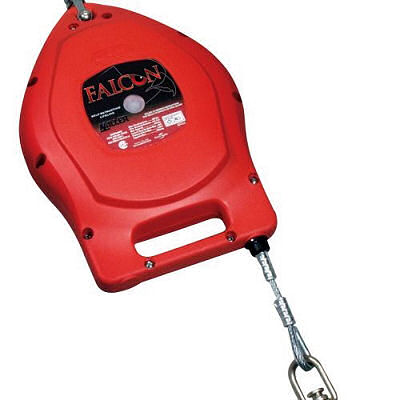
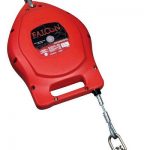 When discussing the effectiveness of certain types of fall protection equipment, there is a debate going on these days over which type of connector is best: self-retracting lifelines (SRLs) or 6-foot shock absorbing lanyards (the connector is the device that links the body harness to an anchorage, such as an overhead fixed track or single-point anchor points). It is our opinion that SRLs are the best type of connector. Yes, lanyards are less expensive, but SRLs provide more effective fall protection, and are worth the extra money you spend. Read more.
May 9, 2014, 11:06 am | by Ray Nardo
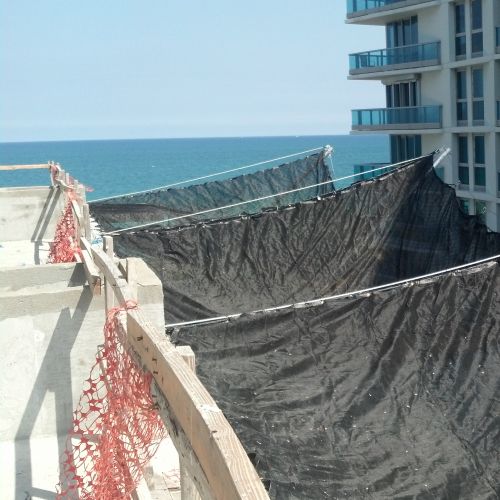
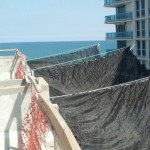 Construction sites and demolition operations come with their own set of unique fall hazards. Putting people in serious danger and structures at risk for major damage, these scenarios have potentially costly ramifications in terms of both lives and dollars.
Safety netting, also known as debris or personnel netting, helps to prevent fall hazards around construction sites and demolition operations. Read more.
May 2, 2014, 2:18 pm | by Ray Nardo
 According to the Bureau of Labor Statistics, in 2012, there were 544 fall-related fatalities. Of those cases, about one in four occurred from a fall of 10 feet or fewer. This statistic suggests something rather stark: It doesn’t take a whole lot of distance for a workplace accident to be fatal. As the person responsible for safety at your factory, you’re likely aware of the gruesome statistics. But, are you fully informed of all the various ways that fall protection systems keep your personnel safe? Read more.
March 28, 2014, 2:49 pm | by Ray Nardo
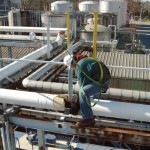 Conducting annual lifeline inspections goes hand in hand with proper training of your workers. Your equipment isn’t protecting anyone when it has missing, worn or defective components. Worse, it can create an unwarranted illusion of security. Installing fall protection equipment in your workplace is a great first step towards keeping your employees working at heights safe from fall hazards. Read more.
March 21, 2014, 3:50 pm | by Ray Nardo
 A rescue plan is critical to any well-managed fall protection program, but it is an often-overlooked factor. Having a plan in place is necessary for any organization with workers at height. No one wants to see a co-worker hurt. Every employee working at a height must be prepared to act quickly in the event of an accident, specifically, because suspension trauma starts to set in within minutes. Read more.
March 14, 2014, 3:59 pm | by Ray Nardo
 While a comprehensive or strategic fall prevention or protection plan is certainly admirable, advantageous and the right long-term solution, it’s not always practical to implement all at once. The implementation of a complete solution is often a costly and time-consuming undertaking.
Do you have to implement a comprehensive solution all at once, or piecemeal the installation? Read more.
 A few weeks ago, we posted an article about how to develop a safety culture in your workplace. One of the suggestions we gave was to form a committee to address worker concerns about fall protection and other issues related to the health and well-being of employees. Today, we take a closer look at safety committees.